

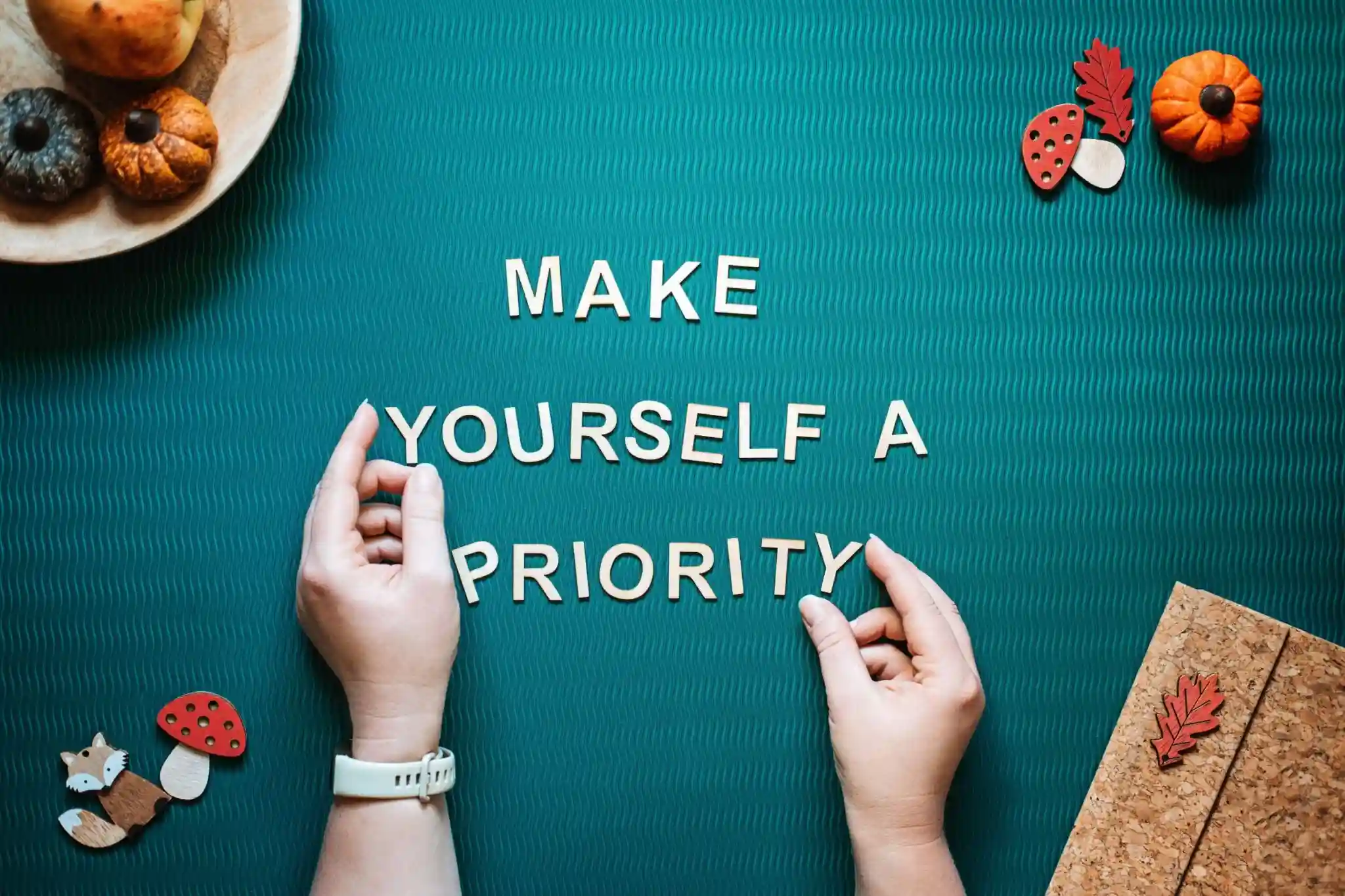
Self-motivation is the fuel behind every meaningful achievement, whether it’s improving your health, growing your career, building habits, or moving toward a long-term dream. But motivation isn’t something that simply appears when you need it. It’s something you cultivate through choices, routines, mindset, and environment.
The truth is, no one feels motivated all the time. Even the most disciplined people experience low-energy days. The difference is that highly motivated people have systems, habits, and mental frameworks that help them spark motivation again when it fades.
This guide walks you through practical, everyday strategies for increasing self-motivation without relying on unrealistic positivity or constant willpower. It is designed to feel natural, grounded, and achievable.
1. Get Clear on What Truly Matters to You
Motivation grows when your actions align with your values and goals. Without clarity, even simple tasks feel heavy and pointless.
Ask yourself:
-
What are the three things that matter most in my life right now?
-
What am I working toward that excites or inspires me?
-
What kind of person do I want to become?
When your daily actions connect to a meaningful “why,” motivation becomes easier to maintain. Clarity gives purpose, and purpose fuels action.
2. Break Big Goals Into Small, Daily Actions
Large goals often feel overwhelming, leading to procrastination. Breaking them into tiny, doable steps makes progress feel possible, and sparks motivation naturally.
For example:
-
Instead of “get fit,” start with 10 minutes of movement.
-
Instead of “write a book,” write one paragraph.
-
Instead of “start a business,” research for 15 minutes.
Small actions create confidence. Confidence creates motivation. Motivation creates momentum.
3. Use the “Two-Minute Start” Technique
This simple rule is one of the most powerful ways to boost motivation instantly:Commit to doing just two minutes of the task you’re avoiding.
After two minutes:
-
Resistance fades
-
Focus increases
-
Motivation kicks in
Often, you’ll continue far longer, because starting is the hardest part.
4. Build Routines That Support Your Goals
Motivation grows when habits support your desired outcomes. Routines reduce decision fatigue, which frees mental energy for meaningful tasks.
Helpful routines include:
-
A morning routine that sets the tone
-
A short daily planning session
-
A midday reset to refocus
-
An evening routine to wind down
You don’t need a strict schedule, consistency matters more than perfection.
5. Create an Environment That Encourages Action
Your environment affects behavior more than you may realize. If your surroundings support your goals, motivation becomes almost effortless.
Try:
-
Keeping workout clothes visible
-
Organizing your workspace
-
Placing books where you’ll pick them up
-
Limiting clutter that drains mental energy
-
Reducing distractions like unnecessary notifications
A supportive environment nudges your brain toward action without forcing it.
6. Remove Energy Drains and Time-Wasters
Self-motivation struggles when your energy is constantly drained. Identify what steals your focus or stresses you.
Common drains include:
-
Scrolling on your phone for long periods
-
Poor sleep
-
Negative self-talk
-
Unclear priorities
-
Constant multitasking
Reducing even one of these drains can dramatically increase your daily drive.
7. Surround Yourself With Motivating People and Inputs
The people and content you consume influence your mindset. Being around motivated individuals makes you feel more energized and inspired.
Ways to do this include:
-
Spending more time with uplifting people
-
Listening to inspiring podcasts
-
Reading books that energize you
-
Avoiding negative or discouraging influences
Motivation is contagious, expose yourself to people who push you forward.
8. Track Your Progress, Even the Small Wins
Progress is one of the biggest motivators. When you see results, no matter how small, your brain rewards you with dopamine, the chemical of motivation.
Ways to track progress:
-
Journaling your accomplishments
-
Using a habit tracker
-
Writing a daily “win” list
-
Taking weekly progress photos or notes
Tracking shifts your focus from what’s undone to what you’ve achieved, boosting motivation.
9. Visualize the Future You’re Working Toward
Visualization is a powerful mental tool. When you imagine your future self achieving your goals, your brain becomes more motivated to act.
Try spending 2–3 minutes imagining:
-
How you want your life to look
-
How your goal feels once achieved
-
The habits and behaviors of your ideal self
Visualization makes your goals feel real and achievable.
10. Set Rewards That Reinforce Good Habits
Rewarding yourself after completing tasks helps build positive associations.
Small rewards could include:
-
A short break
-
A treat you enjoy
-
Time for a relaxing activity
-
Watching an episode of a show
-
Buying something meaningful after a big milestone
Rewards build excitement and create consistency.
11. Reframe Negative Thoughts That Kill Motivation
Negative thoughts drain motivation quickly. Changing how you talk to yourself shifts how you feel and act.
Instead of: “I can’t do this,” say, “I can try one small step.”
Instead of: “I’m not motivated,” say, “I’ll start for two minutes.”
Instead of: “This is too hard,” say, “This will get easier with practice.”
Your self-talk becomes your inner coach or critic, choose intentionally.
12. Use the “Momentum Method” on Low-Energy Days
Not every day will be a high-motivation day, and that’s okay. On low-energy days, focus on momentum instead of perfection.
Ask yourself:
“What is one small action that would still move me forward today?”
Momentum keeps you in motion, even when you’re not at your best.
13. Align Daily Actions With Your Identity
Identity-based motivation is incredibly powerful. When your behavior aligns with the person you want to be, motivation feels natural.
For example:
Instead of thinking, “I want to write more,” think:“I am becoming a consistent writer.”
Instead of “I want to work out,” think:“I am a person who takes care of my body.”
Identity shapes behavior, and behavior shapes identity.
14. Practice Self-Compassion Instead of Self-Criticism
Many people believe being hard on themselves helps motivation. In reality, self-criticism drains energy and confidence.
Self-compassion fuels motivation by:
-
Encouraging growth
-
Reducing fear of failure
-
Supporting persistence
-
Making you more resilient
Be kind to yourself, especially on the days you struggle.
15. Keep Your Motivation Flexible, Not Forced
Motivation naturally rises and falls. Rather than trying to force motivation, make space for it to grow by:
-
Staying curious
-
Being open to change
-
Allowing rest
-
Adjusting goals when needed
-
Shifting routines as life evolves
Flexibility makes motivation sustainable instead of exhausting.
16. Revisit Your “Why” Regularly
Your motivation comes from purpose. Reconnecting with that purpose refuels your inner drive.
Ask yourself weekly:
-
Why is this goal important to me?
-
How will my life improve if I stay consistent?
-
Who is the future version of myself I’m moving toward?
Your “why” is your emotional anchor.
Final Thoughts
Self-motivation isn’t about waking up every day with unstoppable energy. It’s about creating an environment, mindset, and routine that support your goals, especially on the days you don’t feel motivated. By taking small steps, surrounding yourself with support, focusing on progress, and reconnecting with your purpose, you can steadily build motivation that lasts.
Each action you take strengthens your inner drive. Each win boosts your confidence. And each day you show up for yourself brings you closer to the person you want to become.
Social Profiles