

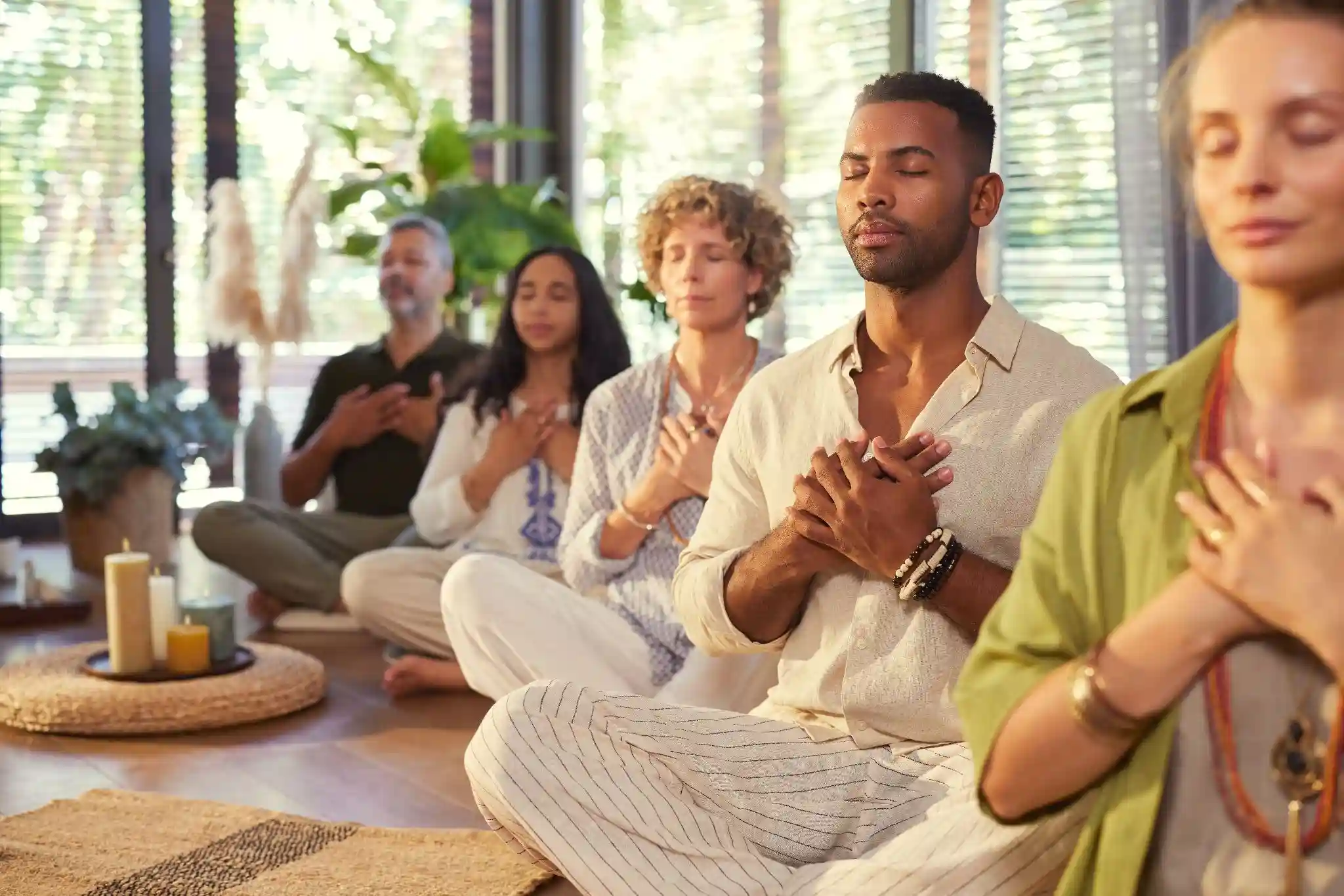
A clear, grounding, and practical explanation for anyone wanting to understand mindfulness on a deeper level.
Mindfulness meditation is often talked about as a tool for inner peace, stress relief, or emotional balance. But beyond the buzzwords, mindfulness is a simple, powerful practice rooted in awareness, learning to pay attention to the present moment without judgment. It is an invitation to step away from autopilot living and reconnect with your mind, your emotions, and your surroundings with clarity and intention.
You don’t need spiritual expertise, years of practice, or a special environment to begin. Mindfulness meditation works because it teaches your brain to slow down, observe, and gently redirect your attention. Over time, this leads to mental sharpness, emotional stability, and a greater sense of control over your inner world.
Here is a detailed, warm exploration of what mindfulness meditation really is, how it works, and why it benefits nearly every aspect of life.
1. Understanding Mindfulness at Its Core
Mindfulness is the practice of becoming fully aware of the present moment, your thoughts, sensations, emotions, and surroundings, without trying to change or judge them. It teaches you to witness your experience instead of becoming swept away by it.
Mindfulness means:
-
Observing your thoughts instead of reacting to them
-
Recognizing emotions without becoming controlled by them
-
Paying attention to physical sensations
-
Being grounded in the here and now
In a world that constantly pulls your attention in multiple directions, mindfulness acts like an anchor that brings you back to yourself.
2. What Is Mindfulness Meditation?
Mindfulness meditation is the structured practice of mindfulness. It involves sitting quietly, focusing on your breath, body sensations, sounds, or a chosen point of awareness, and gently returning to that focus whenever your mind wanders.
It is not about “emptying” your mind. It’s about noticing your thoughts, watching them come and go, and returning to the present moment.
In simple terms:
Mindfulness meditation helps you train your attention the same way exercise trains your muscles.
3. The Science Behind Mindfulness: Why It Works
Mindfulness meditation works because it changes how the brain processes thoughts and emotions. Neuroscience shows that mindfulness can reshape neural pathways, reduce stress signals, and increase emotional resilience.
Key scientific effects include:
-
Reduced activity in the amygdala, the brain’s fear and stress center
-
Strengthened prefrontal cortex, responsible for focus and decision-making
-
Improved emotional regulation, making it easier to stay calm
-
Lower cortisol levels, reducing overall stress
Your brain becomes more aware and less reactive.
4. How Mindfulness Meditation Works Step-by-Step
Mindfulness meditation typically follows a simple flow. Here’s how the process works inside your mind and body:
Step 1: Choose a Point of Focus
Most commonly, this is the breath. It can also be body sensations, sounds, or a mental image.
Step 2: Pay Attention to the Present
You observe what’s happening right now, your breath moving in and out, the feeling of sitting, your thoughts flowing.
Step 3: Notice When the Mind Wanders
The mind naturally drifts. You notice this drift without judgment.
Step 4: Gently Return to the Focus
This simple “returning” process is what builds awareness and mental strength.
Over time, this repetition rewires your brain to stay centered, calm, and aware.
5. Common Types of Mindfulness Meditation
Mindfulness meditation can take many forms. Here are some of the most popular and effective ones:
1. Breath Awareness Meditation
You focus on your breathing, observing the inhale and exhale.
2. Body Scan Meditation
You mentally scan your body from head to toe, noticing sensations.
3. Mindful Observation
You focus on a single object, sound, or sensation with full attention.
4. Thought Observation Meditation
You watch your thoughts as though they are clouds passing across the sky.
5. Mindful Walking
You bring awareness to each step, your pace, and your surroundings.
These practices suit different needs, from relaxation to emotional grounding to deeper self-awareness.
6. What Happens to Your Thoughts During Mindfulness Meditation?
Many people believe they are “bad” at meditation because their mind won’t stay quiet. But the wandering mind is part of the process.
Mindfulness teaches you to:
-
Watch your thoughts arise
-
Notice patterns without reacting
-
Let thoughts pass naturally
-
Return to the present moment gently
Each time you return your attention, you strengthen your mental focus and emotional awareness.
7. Emotional Benefits of Mindfulness Meditation
Mindfulness changes how you respond to stress and emotions. Instead of reacting automatically, you learn to respond intentionally.
Key emotional benefits include:
-
Reduced anxiety
-
Increased emotional resilience
-
Better mood regulation
-
Greater patience
-
Improved empathy
-
Reduced overthinking
Mindfulness helps you step out of mental spirals before they become overwhelming.
8. Physical Benefits of Mindfulness Meditation
Mindfulness is often seen as a mental technique, but it profoundly affects the body too.
Physical improvements include:
-
Lower blood pressure
-
Reduced muscle tension
-
Better sleep quality
-
Lower stress-related inflammation
-
Enhanced immune function
The mind-body connection becomes more balanced and harmonious.
9. How Mindfulness Helps You Break Negative Patterns
Mindfulness creates a space between your thoughts and your actions. Instead of reacting impulsively, you pause, observe, and choose.
This helps you break cycles such as:
-
Emotional eating
-
Overthinking
-
Negative self-talk
-
Stress-driven habits
-
Avoidance patterns
-
Anxiety loops
Mindfulness brings awareness to the moment you typically act unconsciously.
10. Why Mindfulness Feels Challenging at First
Mindfulness meditation can feel uncomfortable because it slows you down. For people used to constant stimulation, silence feels strange at first.
Common challenges include:
-
Restlessness
-
Wandering thoughts
-
Impatience
-
Physical discomfort
-
Self-judgment
The key is consistency and gentleness. The discomfort fades as mindfulness becomes familiar.
11. Simple Mindfulness Meditation Exercise for Beginners
Here’s a straightforward practice anyone can try:
5-Minute Mindfulness Practice
-
Sit comfortably with your back relaxed.
-
Close your eyes or soften your gaze.
-
Take a deep breath in and out.
-
Bring your attention to your natural breathing.
-
Notice your inhale, and exhale.
-
If your mind wanders, gently return to the breath.
-
Continue for five minutes.
You don’t have to “achieve” anything. Just notice.
12. How Often Should You Practice Mindfulness Meditation?
There’s no strict rule, but consistency matters more than duration.
Options:
-
5 minutes daily
-
10 minutes before bed
-
Short mindful moments throughout the day
-
Weekly extended practices
Think of mindfulness as training. Small daily sessions slowly build long-lasting benefits.
FAQs
1: Do I need to stop thinking to meditate mindfully?
Not at all. The goal of mindfulness isn’t to eliminate thoughts, it’s to observe them without reacting or getting pulled in. A wandering mind is normal. The practice lies in gently bringing your focus back each time you drift. Over time, your thoughts become less chaotic and more manageable, but they never fully disappear, and they don’t need to.
2: Can mindfulness meditation help reduce stress and anxiety?
Yes. Mindfulness reduces stress by lowering the body’s fight-or-flight response and increasing calm, conscious awareness. It helps you recognize anxious thoughts earlier, reduce emotional reactivity, and create space between stimulus and response. Over time, this leads to better emotional balance and a more grounded, centered way of handling stressful situations.
Final Thoughts
Mindfulness meditation is not a quick fix or a mystical secret, it’s a simple, powerful practice that trains you to be more present, more aware, and more in control of your inner world. With consistency, mindfulness brings clarity, emotional balance, and a deeper sense of peace. It helps you tune out the noise, reconnect with yourself, and navigate life with calm intention rather than constant reactivity.
You don’t have to meditate perfectly. You just have to show up, observe, and return, one moment at a time.
Social Profiles