

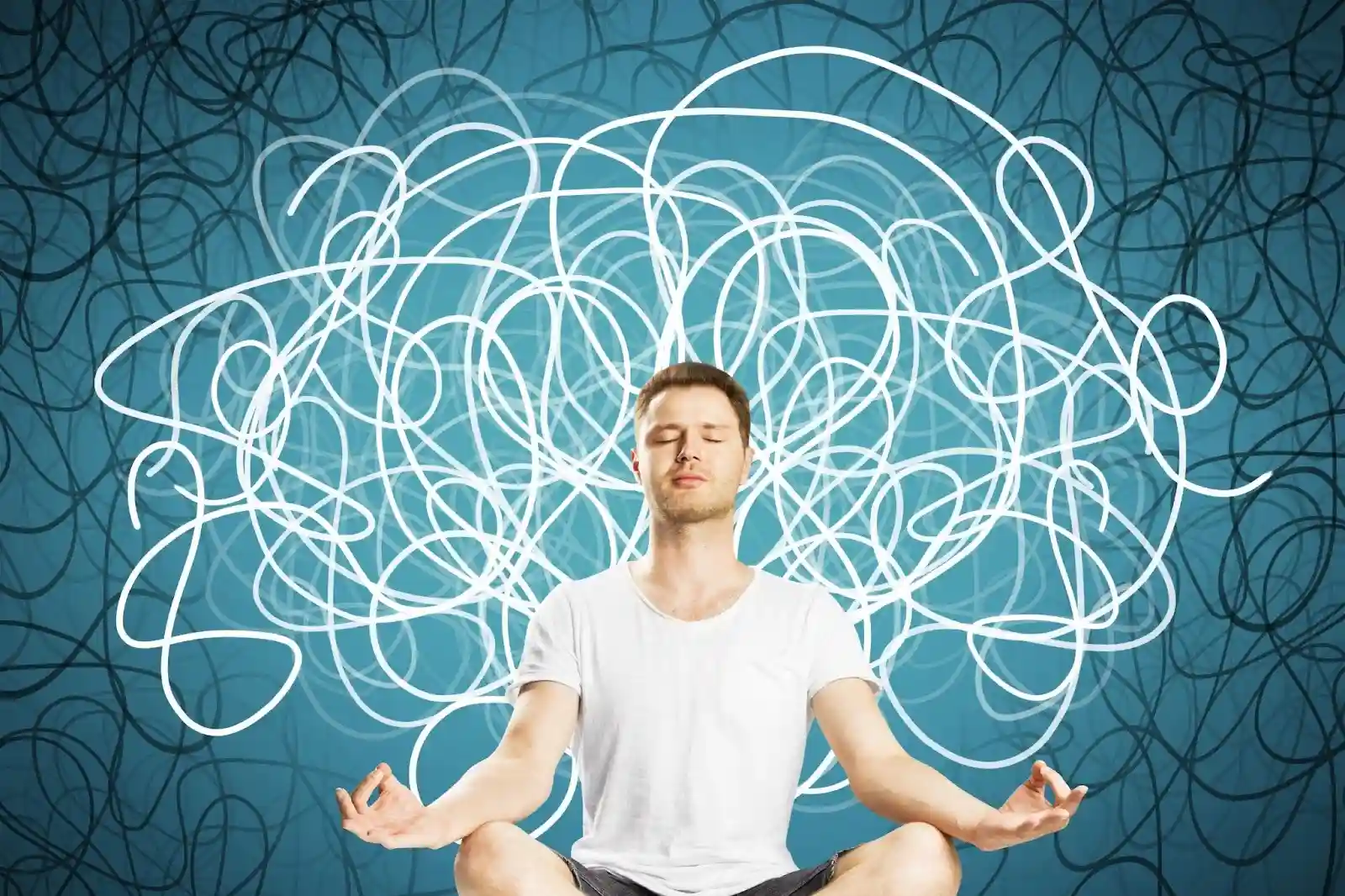
Stress and anxiety have become constant companions for many people. From daily responsibilities to unexpected challenges, the mind often becomes overwhelmed by worries, what-ifs, and rapid thoughts. Mindfulness meditation offers a simple yet powerful way to quiet that mental noise and create space for calm, clarity, and emotional balance. You don’t need years of experience or perfect discipline, just a willingness to pause, breathe, and reconnect with the present moment.
Mindfulness meditation doesn’t remove all stress from your life. What it does do is change your relationship with stress. Instead of being consumed by anxious thoughts, you learn to observe them with openness and understanding. This shift allows you to respond with clarity rather than react out of fear. Below is a warm, grounded, and easy-to-follow guide to how mindfulness meditation can reduce stress and anxiety in a lasting, meaningful way.
1. Understanding Stress and Anxiety Before You Address Them
Stress is the body’s natural response to pressure, and anxiety is the mind’s response to fear or uncertainty. Both are normal, but when they become constant, they drain energy, disrupt sleep, and cloud your thinking.
Common signs include:
-
Racing thoughts
-
Irritability
-
Muscle tension
-
Difficulty focusing
-
Restlessness
-
Fatigue or emotional overwhelm
Mindfulness doesn’t push these sensations away. Instead, it teaches you to meet them with awareness rather than resistance.
2. How Mindfulness Meditation Helps Calm the Mind
Mindfulness meditation invites you to notice what’s happening right now, your breath, thoughts, emotions, and sensations. This awareness brings you out of the future-focused “what ifs” that fuel anxiety and back into the present, where your mind can rest.
Why this works so well:
-
The brain cannot focus on fear and mindfulness at the same time.
-
Observing thoughts reduces their emotional power.
-
Awareness interrupts negative mental loops.
-
Slow breathing activates the body’s relaxation system.
With practice, mindfulness becomes a mental anchor you can return to anytime stress rises.
3. The Science Behind Why Mindfulness Reduces Stress
Decades of research show that mindfulness meditation physically changes the brain in ways that reduce stress and anxiety.
Key scientific effects:
-
Reduces activity in the amygdala, the brain’s fear and stress center
-
Strengthens the prefrontal cortex, responsible for calm thinking and control
-
Lowers cortisol, the stress hormone
-
Improves emotional regulation, helping you respond instead of react
In simple terms: mindfulness makes your brain less sensitive to stress triggers and more capable of staying steady.
4. Mindfulness Helps Break the Stress-Anxiety Cycle
Stress and anxiety feed off each other. The more stressed you feel, the more you worry. The more you worry, the more stressed you become. Mindfulness breaks the cycle in three powerful ways:
-
Awareness: You notice stress symptoms earlier.
-
Acceptance: You stop fighting the feeling, which reduces intensity.
-
Redirecting: You gently shift attention away from worry loops.
This combination weakens the cycle and strengthens emotional resilience.
5. Mindfulness Meditation Techniques for Stress Relief
There’s no one “right” way to meditate. Different techniques work for different people. Here are some accessible practices to try:
1. Breath Awareness Meditation
Sit comfortably and focus on your inhale and exhale. Notice the rhythm, temperature, and movement of the breath.
When your mind wanders, gently bring it back to the breath without judgment.
2. Body Scan Meditation
Slowly move your attention from head to toe. Notice sensations in each area, tightness, warmth, heaviness, or relaxation.
This technique releases physical tension stored during stress.
3. Mindful Observation
Choose an object, sound, or sensation and observe it fully. Notice details without trying to change anything.
This sharpens focus and calms mental noise.
4. Labeling Thoughts and Emotions
When a stressful thought appears, label it gently:
-
“Worry.”
-
“Fear.”
-
“Planning.”
-
“Memories.”
Labeling creates emotional distance and stops spirals.
5. Mindful Breathing With Counting
Breathe in for 4 seconds, hold for 2 seconds, exhale for 6 seconds. This activates the parasympathetic nervous system, triggering relaxation.
6. How Mindfulness Shifts Your Relationship With Stress
Mindfulness doesn’t promise a life without challenges. Instead, it teaches you to experience challenges with greater clarity and less fear. Here are the subtle but transformative shifts mindfulness creates:
You become aware of stress sooner.
Instead of realizing you’re overwhelmed hours later, you notice early signs.
You stop treating anxiety like an enemy.
Anxiety becomes a signal, not a threat.
You learn that thoughts are just thoughts.
Not every thought deserves belief or reaction.
You create mental space before reacting.
This space leads to better decisions under pressure.
You feel grounded even when life is chaotic.
Calm becomes a skill, not a lucky moment.
These shifts compound over time, leading to lasting emotional balance.
7. Why Mindfulness Helps With Overthinking
Overthinking is often a major contributor to anxiety. Mindfulness interrupts overthinking by:
-
Bringing attention back to the breath
-
Training you to notice thought patterns
-
Preventing emotional attachment to negative thoughts
-
Helping you focus on the present moment
-
Creating non-reactivity
The more you practice, the easier it becomes to step out of mental spirals.
8. Real-Life Examples of Mindfulness Reducing Stress
Example 1: Workplace Stress
Instead of reacting instantly to overwhelming tasks, mindfulness helps you pause, breathe, and respond calmly.
Example 2: Social Anxiety
Focusing on your breath and physical sensations before entering a social setting reduces tension.
Example 3: Emotional Stress
Mindfulness helps you observe the emotion without becoming consumed by it, making it easier to respond thoughtfully.
Example 4: Decision Fatigue
Mindfulness increases clarity and reduces confusion, helping you make grounded choices.
9. Simple Mindfulness Routine for Stress Reduction
Here is an easy routine you can integrate into daily life:
Morning (5 minutes)
Sit quietly, breathe deeply, and set an intention for the day.
Midday (3 minutes)
Pause, close your eyes, and take slow, mindful breaths.
Evening (10 minutes)
Do a body scan or reflect mindfully on your day.
Moments of Stress
Use mindful breathing or grounding techniques to calm your system.
10. How Long Before You Feel the Benefits?
Some people feel calmer after just one session. Others notice changes gradually over weeks. The key is consistency, not perfection.
Even 5 minutes a day makes a significant difference over time.
11. Tips to Stay Consistent With Mindfulness
-
Start small, 2 to 5 minutes is enough
-
Choose a quiet space
-
Use guided meditation apps if needed
-
Meditate at the same time each day
-
Expect your mind to wander, this is normal
-
Focus on progress, not perfection
The goal is to build a relationship with the present moment, not force your mind to be silent.
FAQs
1: Can mindfulness meditation replace therapy or medication for anxiety?
Mindfulness meditation is a powerful support tool for managing stress and anxiety, but it isn’t a replacement for professional treatment when severe symptoms are present. It works beautifully alongside therapy or medication by improving emotional awareness, reducing reactivity, and calming the nervous system. Always consult a mental health professional for persistent or intense anxiety.
2: What if mindfulness makes me more aware of unpleasant thoughts and emotions?
This is a common experience. Mindfulness reveals what’s already inside you, not to overwhelm you, but to help you observe without fear. Over time, this awareness reduces the emotional charge behind difficult thoughts. If certain emotions feel too strong, you can shorten sessions or use grounding techniques. Mindfulness should feel gentle, not harsh.
Final Thoughts
Mindfulness meditation is one of the most accessible and effective practices for reducing stress and anxiety. It trains you to slow down your thoughts, calm your nervous system, and reconnect with the present moment. By cultivating awareness, acceptance, and gentle redirection, mindfulness becomes a powerful tool for creating inner peace, no matter what life brings your way.
You don’t need long sessions or perfect technique. Just show up, breathe, and allow yourself to be present. Little by little, mindfulness transforms your relationship with stress and anxiety, helping you move through life with more clarity, resilience, and calm.
Social Profiles