

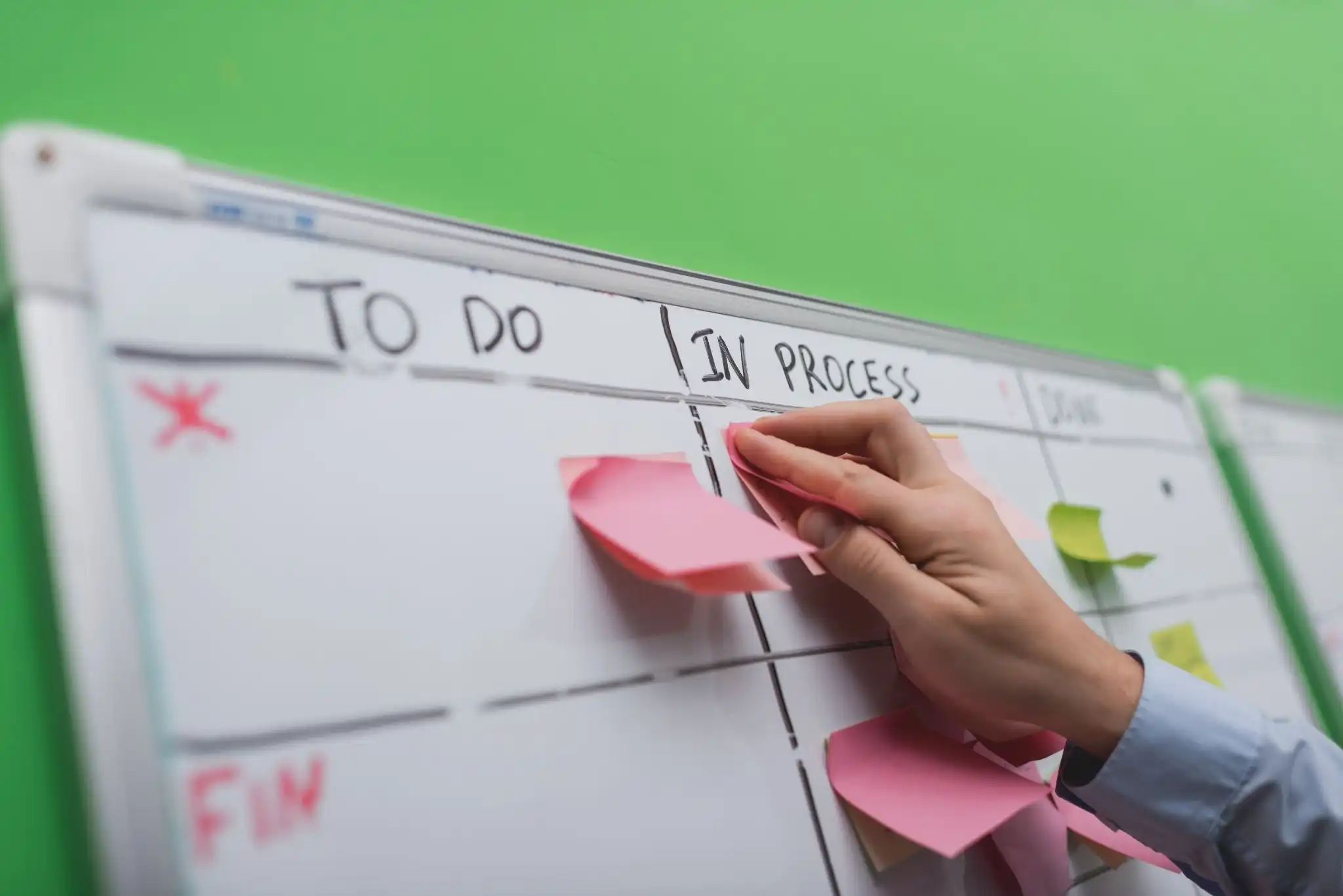
When people struggle with time management, the problem isn’t usually the lack of time, it’s the lack of prioritization. Most of us don’t have trouble working. We have trouble knowing what to work on first, what matters most, and what can wait. Without a clear structure for prioritizing tasks, it becomes easy to fall into busyness instead of productivity.
Effective prioritization transforms your day from chaotic and overwhelming into intentional and manageable. It allows you to focus on what truly impacts your goals, reduces stress, and helps you create momentum rather than constantly putting out fires. Whether you’re trying to balance work, personal goals, or daily responsibilities, learning how to prioritize tasks is the single most valuable skill you can build for better time management.
Here is a comprehensive guide to prioritizing tasks in a way that fits real life, not a perfect, idealized version of it.
1. Know Your Goals Before You Prioritize Anything
You cannot prioritize your day without first understanding what you want your days to move you toward. Every task either contributes to your larger goals or simply fills your time.
Before prioritizing, ask yourself:
-
What are my big goals for this quarter or year?
-
What small goals support those bigger goals?
-
Which tasks align with these goals and which ones don’t?
Tasks that push you closer to your long-term goals should naturally receive priority, even if they’re not urgent. The clearer your goals, the easier your priorities fall into place.
2. Categorize Tasks by Urgency and Importance
A classic framework, with a more approachable twist, is to separate tasks based on:
-
Urgency: Needs immediate action
-
Importance: Has long-term value
But instead of using a rigid four-quadrant grid, think of your tasks in three simple groups:
A. Critical Must-Do Tasks
These directly impact your goals, deadlines, income, health, relationships, or essential responsibilities.
Examples:
-
Completing a client project due tomorrow
-
Preparing for a meeting
-
Handling a pressing personal issue
These tasks must be done first.
B. High-Value Should-Do Tasks
These move your goals forward but don’t require immediate action.
Examples:
-
Working on a long-term project
-
Exercising
-
Skill-building or training
These tasks are often neglected but are crucial for growth.
C. Low-Priority Could-Do Tasks
These are optional or minor responsibilities that don’t create significant impact.
Examples:
-
Organizing files
-
Minor errands
-
Casual browsing or research
If you have time, fine. If not, the world doesn’t collapse.
3. Apply the “One Big Thing” Rule
Each day, choose one major task that will contribute the most to your goals. This task becomes your day’s anchor.
Ask yourself: “If I could only accomplish one thing today that has real impact, what would it be?”
This pulls your focus toward meaningful work rather than busywork.
4. Break Tasks Into Smaller Prioritized Steps
Big tasks feel intimidating, leading to procrastination. Breaking them down makes prioritization and execution easier.
For example, instead of: “Finish presentation,” break it into:
-
Create outline
-
Edit bullet points
-
Add visuals
-
Practice delivery
Once broken down, it’s easier to prioritize based on what needs to happen first.
Smaller tasks help you maintain momentum and reduce overwhelm.
5. Rank Tasks Based on Return on Investment (ROI)
Think of prioritization like investing your time. Tasks that give you the greatest return should come first.
Ask yourself:
-
Does this move me closer to an important outcome?
-
Does it reduce future stress?
-
Does it create new opportunities?
-
Does it save me significant time later?
Choosing high-ROI tasks helps you focus on what matters rather than what’s simply easy or urgent.
6. Use the ABCDE Prioritization Method
This method gives structure without feeling complicated.
A – Critical tasks with serious consequences if ignored B – Important tasks with mild consequences C – Nice-to-do tasks with no consequences D – Delegate tasks others can handle E – Eliminate tasks that don’t serve your goals
This method teaches you to stop giving equal weight to tasks that don’t deserve it.
7. Measure How Much Time Tasks Actually Require
People often misprioritize because they underestimate or overestimate how long tasks take.
Start tracking:
-
Tasks that are quick wins
-
Tasks that consistently take hours
-
Tasks that drain energy
When you know the true time costs, priorities become clearer.
For example: If a 10-minute task prevents a week-long delay, it jumps to the top of the list.
8. Use Time Blocking to Highlight Priorities
Time blocking isn’t about filling every minute, it’s about assigning focused time to your most important tasks.
Block time for:
-
Deep work
-
High-value projects
-
Learning
-
Personal development
-
Essential routines
When a task has a time block, it automatically becomes a priority, because you’ve created space for it.
9. Practice the “Eat the Frog” Technique
This classic rule suggests doing your hardest or most dreaded task first. Why? Because anxiety takes up mental space.
When you get the toughest task out of the way:
-
Stress decreases
-
Confidence increases
-
Your whole day feels lighter
-
You gain momentum
Your frog is usually the task with the highest resistance but also the highest impact.
10. Consider the Emotional Weight of Tasks
Prioritization is not only logical, it’s emotional.
Ask yourself:
-
Which tasks are causing me anxiety?
-
Which tasks do I keep postponing?
-
Which tasks would bring relief if completed?
Sometimes the task that removes the biggest emotional burden should be the priority. Emotional clarity is productivity.
11. Limit Yourself to a Daily Top 5 List
Long lists drain motivation. A daily Top 5 keeps your day focused and manageable.
Break it down:
-
Top 1 Critical Task
-
2 High-Value Tasks
-
2 Quick Wins
This gives structure without feeling restrictive.
12. Build Flexibility into Your Priority Plan
Life is unpredictable. Your prioritization strategy must allow space for:
-
Emergencies
-
Shifting deadlines
-
Energy fluctuations
-
Unexpected opportunities
A good method: Plan 60% of your day. Leave 40% flexible.
This prevents overwhelm and helps you adapt gracefully.
13. Reevaluate Priorities Weekly
Priorities shift as goals shift. Once a week, take 20–30 minutes to ask:
-
What did I accomplish this week?
-
Which tasks wasted my time?
-
What needs more focus next week?
-
Is my current prioritization system working?
Weekly reflection strengthens self-awareness and keeps your priorities aligned with reality.
14. Learn to Say “No” Without Guilt
Saying yes to everything destroys all prioritization efforts. Guard your time with intention.
Say “no” when:
-
A request doesn’t fit your goals
-
It pulls you away from important work
-
It drains your mental energy
-
It belongs on someone else’s plate
Your time is too valuable to always accommodate others’ priorities at the cost of your own.
15. Reduce Decision Fatigue by Pre-Prioritizing Routine Tasks
Some tasks are predictable, schedule them or turn them into habits so they don’t steal your mental bandwidth.
Ideas:
-
Meal prepping weekly
-
Automated bill payments
-
Dedicated email-checking times
-
Consistent workout schedules
This creates space for higher-priority tasks.
FAQs
1: How do I prioritize tasks when everything feels urgent?
When everything feels urgent, pause and evaluate consequences. Ask yourself which tasks will truly cause a negative outcome if delayed. Urgency often comes from pressure rather than real impact. Break tasks into categories, must-do, should-do, could-do. Once separated, urgency becomes clearer. You can also speak with your team or manager to align expectations and avoid assumed urgency.
2: How do I stay consistent with prioritizing tasks long-term?
Consistency comes from creating a simple routine you can maintain. Use daily reflections, weekly reviews, and a small “Top 3” or “Top 5” list. Avoid overcomplicating your system. When priorities shift, adjust your plan without guilt. The goal is steady progress, not perfection. Over time, prioritization becomes a habit instead of a task.
Final Thoughts
Prioritizing tasks is one of the most powerful ways to improve time management, reduce stress, and achieve your goals faster. When you focus on the right tasks, not just the easy or urgent ones, you reclaim your time and build a life filled with intention, purpose, and clarity.
Start small. Choose one or two techniques that feel natural, practice consistently, and let your system evolve with your needs. Over time, prioritization becomes second nature, helping you work smarter, stay focused, and move confidently toward your long-term goals.
Social Profiles